

Artificial intelligence tools don’t really “know” your business. They form an impression based on whatever information they can find.
AI takes clues from multiple places, rather than relying on a single source. Your website is part of the story, but reviews, media mentions, directories, and conversations happening online also shape the picture.
That’s one reason AI answers are becoming so important. For many people, their first interaction with a business no longer starts with a homepage. It starts with a summary generated by ChatGPT, Google AI Overviews, Gemini, or Perplexity.
Think about your own habits. If you need accounting software, a law firm, or even a local contractor, there’s a good chance you’ll ask AI before opening several tabs.
By the time someone visits your website, they may already have an opinion. Sometimes it’s accurate. Sometimes it’s based on fragments collected from different sources.
That’s why understanding how AI interprets your brand has become part of reputation management, not just SEO.
In this article, we’ll explore:
- How AI search affects brand trust
- How AI tools decide which brands to recommend
- How to optimize for AI-generated answers
- How to audit and improve your AI presence
How AI Search Affects Brand Trust
The first impression doesn’t always happen on your website anymore.
Increasingly, it happens inside ChatGPT, Google AI Overviews, Gemini, Claude, or Perplexity.
People are using these tools to research businesses before clicking a search result, which means trust often starts with an AI-generated summary.
Many SEO professionals have noticed the same thing. AI isn’t looking at a homepage in isolation. It gathers information from different sources and tries to turn that into a coherent answer.
The challenge is that AI answers can only work with the information available.
When the public picture is incomplete, outdated, or unclear, the response may miss what actually makes a business different.
Companies with years of experience can end up sounding surprisingly generic if strong authority signals are missing.
Conclusion
- AI-generated answers shape first impressions.
- Brand trust often begins before visitors reach your website.
- Clear and credible information matters.
How Do AI Tools Decide Which Brands To Recommend
Many people assume AI simply ranks websites.
In reality, it looks for signals that support credibility.
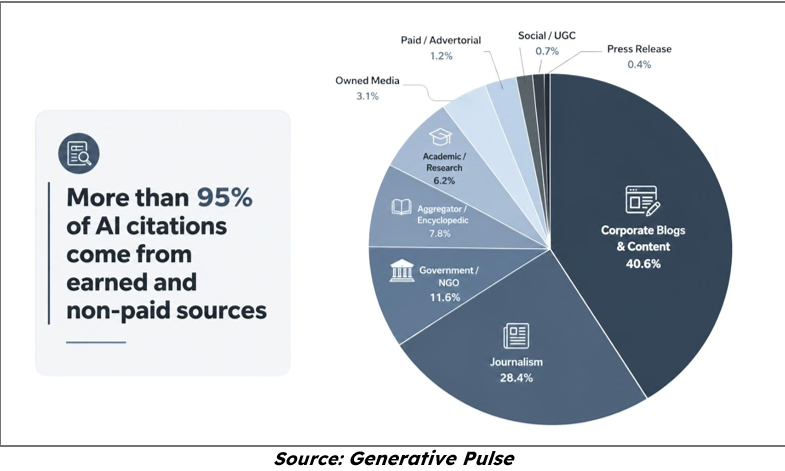
Third-Party Validation Matters
Every company talks about itself in a positive light. That’s expected.
What carries more weight is when other people talk about you. A mention in an industry publication, a guest appearance on a podcast, a quote in an interview, or even speaking at an event gives others a reason to trust your expertise.
In practice, a handful of meaningful mentions from respected sources usually do more for credibility than dozens of references nobody recognizes.
Structured Information Helps AI Connect The Dots
AI works best when it doesn’t have to guess.
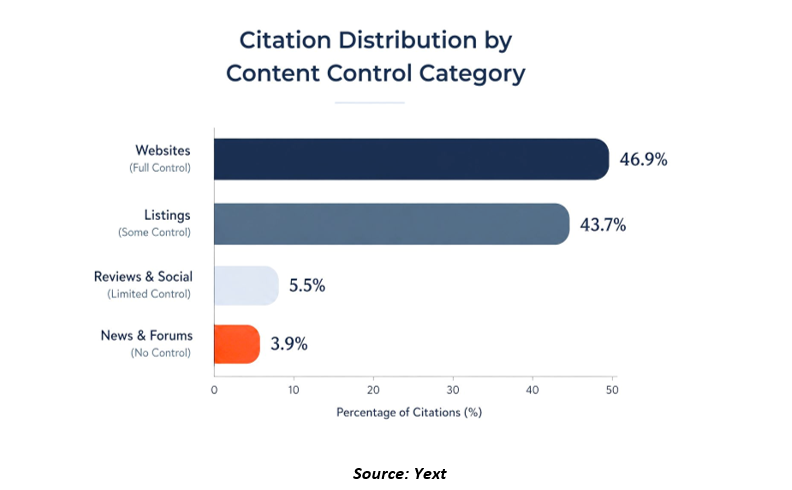
When your About page is clear, your business profiles are consistent, and details like author pages and schema markup are in place, it becomes much easier for AI systems to understand who you are and what your business actually does.
Without those pieces, the picture can become fragmented. Instead of seeing a single clear identity, AI ends up trying to make sense of scattered information from different sources.
Leadership Visibility Builds Confidence
A recognizable expert often makes a company feel more credible than a logo ever could.
When founders, executives, or specialists are active online, some of that trust naturally extends to the business itself.
Reviews Reinforce Reputation
Reviews don’t magically create authority.
What they often do is confirm whether customers’ experiences match the reputation a company is trying to build.
When similar compliments keep showing up across platforms, they reinforce trust. On the other hand, recurring complaints can raise doubts and shape how both people and AI systems perceive a brand.
Conclusion
AI recommendations are influenced by:
- Third-party mentions
- Structured information
- Leadership visibility
- Customer sentiment
How To Optimize For AI-Generated Answers
Businesses don’t necessarily need a new SEO strategy.
What they need are stronger trust signals.
1. Start With a Stronger About Page
Many About pages don’t say much.
That’s a missed opportunity.
Explain who you are, what you do, and what separates your business from competitors.
A good exercise is to imagine a journalist summarizing your company in two sentences. Would they have enough information?
2. Earn Trusted Citations
Publishing more content doesn’t automatically make a brand more credible.
What really helps is being part of conversations that already have an audience and a level of trust. That could mean getting quoted in an industry publication, appearing on a podcast, contributing to an expert roundup, or being mentioned by people who are respected in your space.
A few meaningful mentions from sources people recognize can often have a bigger impact than dozens of references that nobody pays attention to.
3. Make Leadership Visible
People naturally connect with people more than logos.
When founders, executives, or subject matter experts share their knowledge publicly, it gives the business a face and a voice. Interviews, conference appearances, LinkedIn posts, and thought leadership pieces all help build familiarity over time.
And familiarity tends to make trust easier.
4. Focus on Evidence
It’s easy for any company to say it’s the best.
What’s harder, and far more convincing, is showing proof.
Customer success stories, testimonials, original research, and real-world results provide something that people and AI systems can verify. Those details carry far more weight than broad marketing promises.
Conclusion
To improve AI-generated answers:
- Clarify your story.
- Earn credible mentions.
- Increase leadership visibility.
- Support claims with evidence.
How to Audit and Correct Your Brand's AI Presence
One of the easiest exercises is often the most revealing.
Open ChatGPT.
Then Gemini.
Then Perplexity.
Ask each platform the same questions.
- Tell me about [Company Name].
- What makes [Company Name] different?
- Is [Company Name] trustworthy?
- Who leads the company?
- Which companies would you recommend for this service?
Then read the answers like a potential customer.
Do they sound accurate?
Are they generic?
Do competitors appear more often than your brand?
These responses often reveal gaps that traditional SEO reports don’t show.
Conclusion
Checking AI responses regularly can help uncover:
- Missing information
- Weak authority signals
- Reputation issues
- Competitive gaps
Take Control of How Your Brand Appears in AI Search
People are starting to form opinions about businesses before they ever visit a website. More often than not, those first impressions come from AI tools that summarize information from across the web.
That’s why managing your online reputation is no longer just about rankings. It’s about making sure your business is represented accurately wherever people search.
At Kkonect Us Agency, we help brands strengthen the signals that influence how AI platforms understand and describe them. From AI SEO and local SEO to reputation management and review strategies, our focus is simple: help businesses build trust and become easier to find.
We believe visibility isn’t just about showing up. It’s about showing up with the right story.
Whether someone discovers your business through Google AI Overviews, ChatGPT, or Gemini, the information they find should reflect the value you actually provide.
If you’re ready to build a stronger presence and stay ahead as search continues to evolve, Kkonect Us Agency is ready to help.
Let’s Take Your Business to the Next Level
With Kkonect Us Agency
FAQS
Frequently Asked Questions
How does AI understand a brand?
AI builds its understanding from websites, reviews, articles, directories, forums, and other public sources. It combines those signals to create a broader picture of a business.
Why do some brands appear more often in AI-generated answers?
Brands with stronger authority, trusted mentions, and consistent information are easier for AI systems to understand and recommend.
Does SEO still matter in AI search?
Yes. Technical SEO, quality content, structured data, and authority signals all help AI understand your business.
Can companies influence how AI describes them?
Businesses cannot directly control AI responses, but they can influence the information AI uses by improving content, authority, and reputation.
What matters more: reviews or backlinks?
Both matter, but they serve different purposes. Backlinks and media mentions help build authority, while reviews reflect customer sentiment.
How can I check what AI says about my business?
Ask ChatGPT, Gemini, Claude, Perplexity, and Google AI Overview the same questions and compare the responses.
How long does it take to improve AI visibility?
There isn’t a fixed timeline. As new information becomes available and authority grows, AI systems gradually update their understanding.
Will AI search replace traditional SEO?
Not entirely. AI search changes how people discover information, but strong SEO fundamentals remain important.